Why Your Jeep Shuts Off While Driving and Won't Restart: Fixes
Last updated on October 26th, 2026 at 07:53 pm
This post contains Amazon affiliate links. As an Amazon Associate I earn from qualifying purchases, at no extra cost to you.
A Jeep that stalls while driving and will not restart has lost fuel, spark or electrical power, and the dash tells you which. If the lights went dark with the engine, start with the battery cables and charging. If the dash stayed lit and the engine cranks, check for the fuel pump hum, then read the codes. Several Jeep models also have federal recalls for exactly this, so run your VIN before you spend money.
This guide is about the stall itself: what to do in the first minute, how to read what happened, and which recalls name a stall. For a Grand Cherokee that will not start from a cold, quiet key turn, use the Grand Cherokee no-start guide.
What to do in the first minute after the engine quits
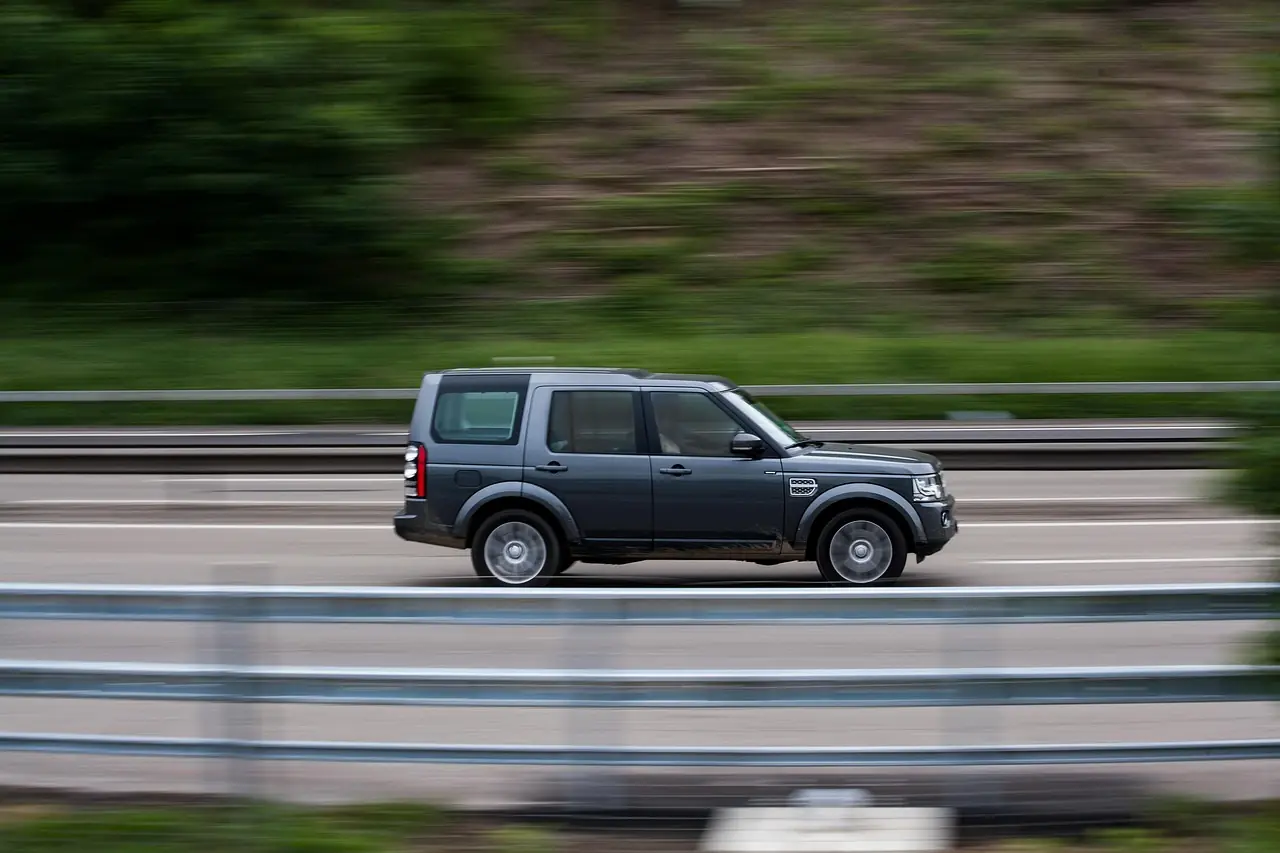
Keep both hands on the wheel, brake steadily and get to the shoulder with your hazards on. You will not lose control of the steering or the brakes, but both get heavy.
Jeep says that even when power steering assistance stops, you can still steer, with a “substantial increase in steering effort,” and that if brake power assist is lost the brakes still work but need much more pedal effort (2021 Wrangler owner’s manual). Do not pump the pedal. Press firmly and hold.
Once you are stopped and safe, shift to Park and note what the dash did. That one observation sorts most stalls, and it is the first question in the tool below.
Jeep stalls while driving: symptom, first check and likely cause
| What happened | Check first (free) | Likely cause | Fix and who does it |
|---|---|---|---|
| Whole dash and lights went dark with the engine | Both battery cable ends and the ground cable | Loose or corroded cable, failing battery, main power or ignition fault | Clean and tighten the cables yourself. A power or ignition fault is a dealer job |
| Battery light or a “Battery Saver” message showed before it died | Battery voltage at rest, then with the engine running | Charging fault, usually the alternator; Jeep names alternator stall recalls on 2012-2014 Grand Cherokees (table below) | Run the VIN for recalls. Alternator replacement is a shop job on most models |
| Cranks normally but will not start; no pump hum with the key on | Fuel level, fuel pump fuse and relay | Fuel pump relay (recalled on 2011-2013 Grand Cherokees) or the pump itself | Recall repair is free at a Jeep dealer. Otherwise the pump means dropping the tank |
| Cranks, pump hums, no start; engine died instantly with the check engine light on | Read the codes | Crankshaft or camshaft position sensor or its connector (Jeep recalled the 2016 Compass and Patriot connector) | Replace the sensor or connector per the code. Diesel Grand Cherokee: see the recalls |
| Starts, then dies in about 2 seconds with the key-shaped security light on or flashing | Security light behavior at key-on | Sentry Key does not recognize the fob, or an aftermarket remote starter is interfering | Try the spare fob. Programming is a dealer job |
| Stalls at stops, rough idle, check engine light on | Read the codes; think about the last tank of fuel | Fuel quality, airflow or throttle faults, or a sensor | Try a different brand of gasoline first, as Jeep advises; codes decide the rest |
| Died in or just after water | Do not restart it | Water in the air intake or engine | Tow it. Never crank a Jeep that may have swallowed water |
Read across a row, not down a column. The first check in each row is free, and the fix column runs from cheapest to most expensive.
If two rows fit, start with the one higher in the table. Ruling out a loose cable costs nothing, and a fuel pump costs a lot.
Which of these did your Jeep do?
The tool follows the Jeep owner’s manual and the NHTSA recall pages cited in this guide. It orders the free checks first and does not replace a scan of the actual codes.
Use the answer as a starting list. When a free check clears one item, move to the next, and stop as soon as the Jeep runs normally.
How to read the clues: dash dark, or dash lit?
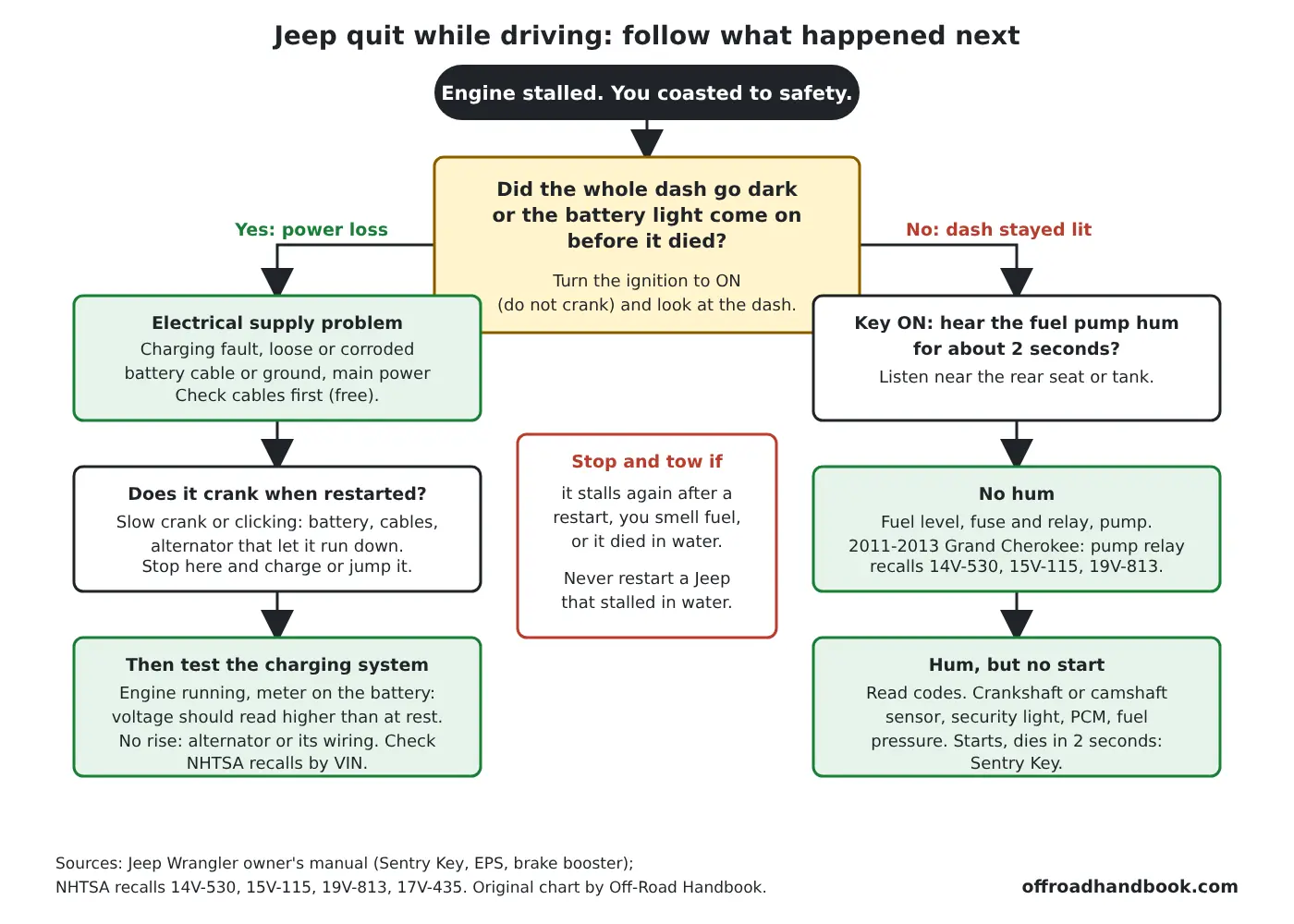
The first fork is the dash. If the whole cluster went dark at the moment of the stall, power was interrupted before the engine had any say in it. If the dash stayed lit, power was fine and the engine lost fuel, spark or its position signal.
Either way, never restart repeatedly. If the Jeep dies again on the first restart, it is telling you it cannot be trusted in traffic.
Find the cause in this order
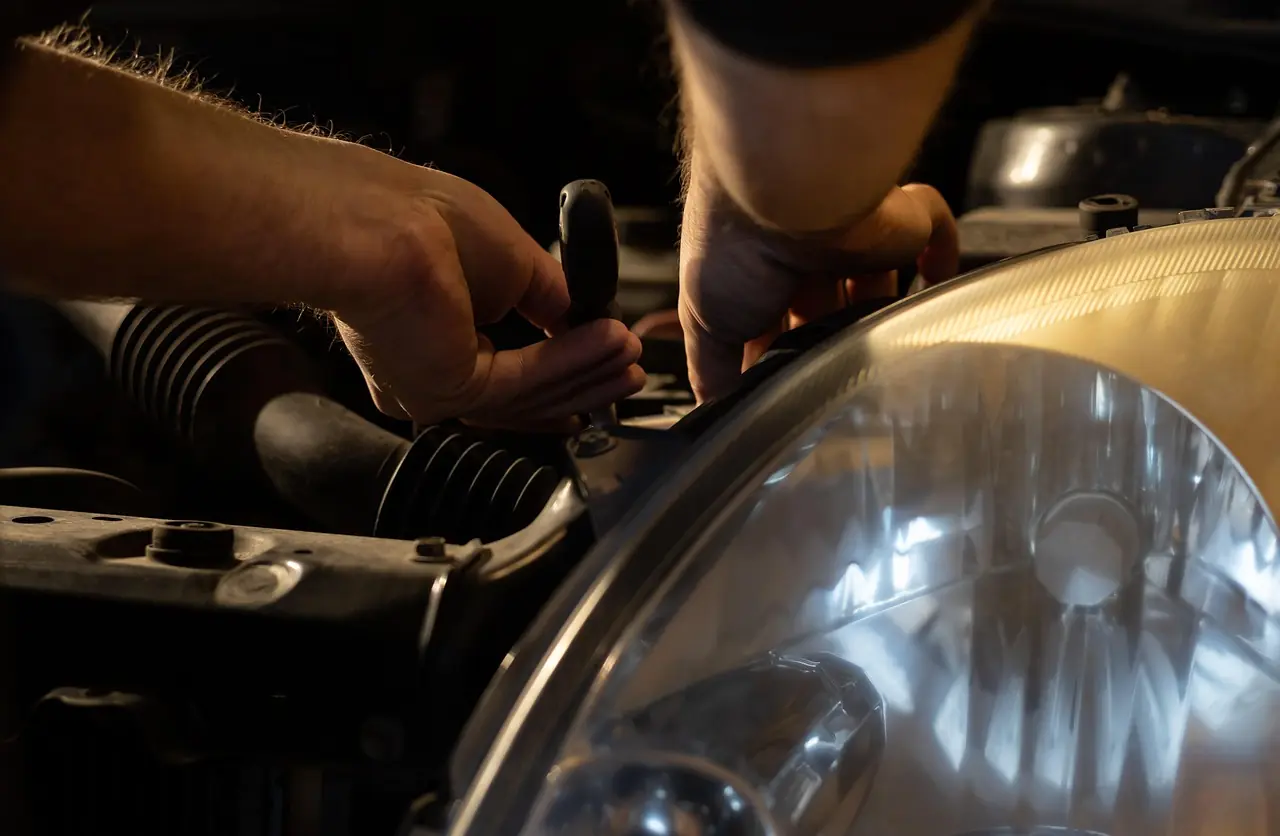
1. Check the battery cables and grounds
Look at both battery terminals and the ground cable where it bolts to the body. Wiggle each one with the engine off. A cable that moves, or green crust under the clamp, can kill power for a split second on a bump and drop the whole vehicle.
On a Wrangler, the intelligent battery sensor can also warn you. Jeep says the system shows “Battery Saver On” or “Battery Saver Mode” when the battery is at risk of running down far enough that the vehicle “may stall due to lack of electrical supply” (owner’s manual). Our Wrangler battery guide explains the setup.
2. Test the charging system
Put a multimeter on the battery. Note the reading with the engine off, then start it and watch. The running voltage should be noticeably higher than the resting voltage, because the alternator is charging. If it is not higher, or it falls while you turn on lights and the fan, suspect the alternator or its wiring.
The owner’s manual says a charging warning light that stays on while the engine runs points to a charging fault. A digital multimeter costs little and also checks cable ends and fuses.
3. Listen for the fuel pump
Turn the key to ON without cranking and listen near the rear seat or the tank. You should hear the pump run for about two seconds. Silence means check the fuel level, then the fuse and relay, then the pump.
Poor gasoline is a documented cause too. Jeep says it can cause hard starting, stalling and hesitation, and advises trying another brand before suspecting the vehicle (owner’s manual).
4. Read the codes
A basic OBD2 scanner reads engine codes, and many parts stores will read them for free. A crankshaft or camshaft position code, a fuel pressure code or a misfire code each points at a different system, so write them down before clearing anything.
Be honest about the limit: a basic reader does not see every Jeep module. Intermittent stalls with no code usually need a dealer or shop with Jeep-capable tools. If the scan points to the throttle position sensor, our bad throttle position sensor guide covers the tests.
5. Watch the security light
Jeep’s Sentry Key system will shut the engine off in two seconds if it does not accept the key fob. The manual says the security light comes on for three seconds as a bulb check. If it stays on afterward, or flashes, the engine shuts off after two seconds (owner’s manual).
The manual also warns that the system is not compatible with some aftermarket remote starters, which can cause starting problems. A Jeep that dies two seconds after starting, right after a remote-start install, is a clear lead. See also our guide to the flashing security light.
6. Computer and power module faults
Some Jeeps stall from the engine computer or the power module, not from a worn part. Examples with NHTSA recalls include the 2017-2018 Wrangler powertrain control module (18V-524) and the 2011-2013 Grand Cherokee fuel pump relay (14V-530, 15V-115, 19V-813). These are free fixes at a dealer, so check before paying anyone.
If it stalled on the trail or in water
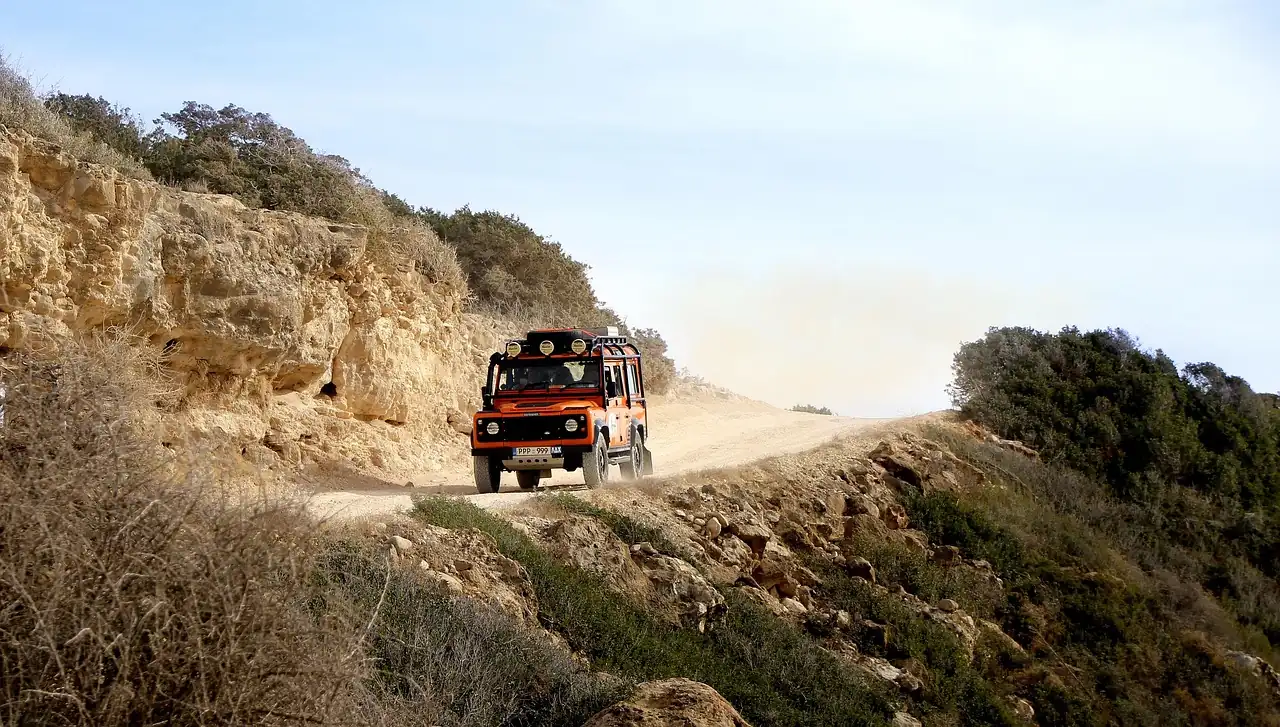
Jeep’s manual says never to stop or shut a vehicle off in deep water unless water has entered the air intake, and that if the engine stalls you should not try to restart it until you have determined whether it ingested water (owner’s manual). Cranking a water-filled engine can bend rods and wreck it.
Wait, check the air intake and get a tow if there is any doubt. If you want to know before you drive in, our water crossing checker helps, and what breaks after mud or water covers the follow-up checks.
Jeep also warns that a transmission in limp-home mode may only use certain gears or not shift at all, and that “the engine may stall.” A stall on a hill with a transmission message on the dash is a transmission problem, not a fuel one.
Jeep stall recalls by model and year
NHTSA lists recalls where the stall itself is the stated risk. Enter your 17-digit VIN at nhtsa.gov/recalls to see what is open on your Jeep. Recall repairs are free.
| Model and years | NHTSA recall | What can fail | Result per NHTSA |
|---|---|---|---|
| 2011 Grand Cherokee (3.6 L, 5.7 L) | 14V-530 | Fuel pump relay inside the TIPM-7 may fail | Stall without warning; dealer installs an external relay |
| 2012-2013 Grand Cherokee (3.6, 5.7, 6.4 L) | 15V-115 | Same fuel pump relay problem | Stall without warning; external relay |
| 2011-2013 Grand Cherokee (3.6, 5.7, 6.4 L) | 19V-813 | Relay and wiring harness on vehicles already recalled under 14V-530 or 15V-115 | Stall without warning; relay and harness replaced |
| 2012-2014 Grand Cherokee (5.7 or 3.6 L with electro-hydraulic steering) | 17V-435, 14V-634, 17V-741 | Alternator may suddenly fail | Stall without warning |
| 2017-2018 Wrangler (also 2018 Compass and Grand Cherokee, 2018-2019 Cherokee) | 18V-524 | Voltage regulator chip in the powertrain control module may fail | Stall or no-start; module replaced |
| 2021 Wrangler and Gladiator (previously remedied under 23V-116) | 24V-572 | Powertrain control module software | Engine stall and loss of drive power; software update |
| 2021-2023 Wrangler 4xe (2.0 L plug-in hybrid) | 22V-865 | Loss of communication may cause engine shutdown | Loss of drive power; calibration update changes fail-safe to limp home |
| 2020-2022 Wrangler and 2021-2022 Gladiator (3.0 L diesel) | 22V-767, 23V-263 | High-pressure fuel pump may fail | Engine stall |
| 2014-2020 Grand Cherokee (3.0 L diesel) | 22V-406, 20V-475, 23V-411 | High-pressure fuel pump debris; crankshaft position sensor tone wheel can delaminate | Fuel starvation or engine stall |
| 2016 Compass and Patriot (built May 9 to July 15, 2016) | 16V-907 | Crankshaft or camshaft sensor works only intermittently | Stall; connector replaced |
| 2012 Compass and Patriot (built Oct 18, 2011 to May 7, 2012) | 13V-120 | Fuel tank transfer tube defect interrupts fuel transfer | Engine stall; transfer tube replaced |
| 2018 Cherokee and Compass (2.4 L) | 17V-670 | Cracked oil pump housing | Oil pump failure and engine stall |
| 2019 Cherokee (2.4 L) | 18V-739 | Transmission calibration | Stall |
When to stop and call a tow or the dealer
- It stalled again after one restart.
- You smell fuel or see a leak.
- It died in water, or you are not sure whether it ingested any.
- A warning message about power steering or brakes is showing.
- The security light is on or flashing and the engine will not stay running.
Costs depend heavily on model, parts and local labor rates, so ask for a written quote. Cleaning a cable or replacing a relay costs little. Dropping a fuel tank for a pump or replacing a control module costs far more, and recall repairs cost nothing.
Jeep stalling FAQ
The common causes are a lost battery connection, a failing alternator, a fuel pump or relay fault, a crankshaft or camshaft position sensor, a Sentry Key fault, or an engine computer fault. What the dash did when it died tells you which to check first.
Not safely. A Jeep that can stall can do it again in traffic, and steering and brakes get heavy when it does. Diagnose it, check recalls by VIN, and tow it if it stalled twice.
Do not try until you know whether water reached the engine. Jeep’s manual says not to restart a stalled engine in water until you have determined whether it ingested water.
Yes, several, by model and year. The table above lists the NHTSA campaigns that name a stall, including the Grand Cherokee fuel pump relay and alternator recalls and the 2017-2018 Wrangler control module recall.
Related guides
- Jeep Grand Cherokee Won’t Start? 12 Causes and How to Fix Them
- Do Jeep Wranglers Have Two Batteries? Which Ones and Why
- How to Get Your Jeep Out of Anti-Theft Mode: Step-by-Step Fixes

I'm Suryashankar Dasgupta, the founder of Off-Road Handbook. I've been off-roading for years in the USA, including California and Texas, and have ridden mountain and desert terrain abroad. I've also driven a Jeep Compass for more than seven years, so I know the day-to-day side of Jeep ownership first-hand, from the Uconnect screen to the warning lights. Every guide here is researched from manufacturer owner's manuals, NHTSA recall and service-bulletin records and other trusted sources, checked against them before it is published, and corrected when we find a mistake. You can read how we work in our editorial policy: https://offroadhandbook.com/editorial-policy/
Like our off-road guides? Add Off-Road Handbook as a Google Preferred Source so our latest Jeep, ATV, UTV, trail, recovery, and off-road troubleshooting articles can appear more often in your Google Search experience.
Add us as a Preferred Source