Kubota RTV X1140 Problems: Diagnosis Chart and Fixes
Last updated on October 18th, 2026 at 03:35 pm
The most common Kubota RTV-X1140 problems are hard starting, overheating, weak power, rough or no drive from the hydrostatic transmission, and soft brakes. Kubota’s troubleshooting tables trace nearly all of them to bad or low fuel, air in the fuel line, a weak battery, a clogged air cleaner, a dirty radiator screen, low coolant, or low transmission fluid. Run those free checks in the order below before calling a dealer.
The X1140 is a diesel, so there is no carburetor, spark plug or clutch to chase. It runs a Kubota D1105 three-cylinder diesel (1.123 L, 24.8 hp gross) through a continuously variable hydro transmission (VHT). Everything below follows the Kubota RTV-X Series Operator’s Manual (U.S., 2023), and two CPSC recalls touch some X1140s.
Kubota RTV-X1140 symptom, cause and fix table
| Symptom | Likely causes, in check order | Fix | Dealer? |
|---|---|---|---|
| Starter does nothing, or lights dim | Battery overused or not recharged; poor terminal connection; battery life expired | Charge the battery fully; clean and tighten terminals; replace the battery | If the charging lamp comes on while running |
| Hard to start or will not start | No fuel flow; air or water in fuel; slow cranking from thick oil or a weak battery | Check tank and fuel filter; tighten fuel line coupler bolt and nut; bleed the fuel system; clean cables and charge battery; use oil viscosity for the temperature | If a fresh filter and a bled system still will not start it |
| Engine stops suddenly | Out of fuel | Refuel, then bleed the fuel system if needed | If it stops with fuel in the tank |
| Low power | Insufficient or dirty fuel; clogged air cleaner | Check the fuel system; clean or replace the air cleaner element | If power is still down after both |
| Black exhaust smoke | Poor fuel; too much oil; clogged air cleaner | Change fuel and fuel filter; correct the oil level; clean or replace the element | If it persists |
| Blue or white exhaust smoke | Fuel dumped in the muffler; faulty injection nozzle; poor fuel | Load the engine to heat the muffler; check the nozzle; change fuel and filter | Nozzle check and repair |
| Overheating | Overload; low coolant; dirty radiator core or grille screens; corroded coolant passages | Shift to a lower gear or cut the load; refill coolant and check hoses for leaks; remove all trash; flush the system | If it overheats again after cleaning and refilling |
| Rough or jerky operation | Low hydrostatic transmission fluid; clogged filter | Add Kubota fluid to the dipstick range; replace the filter | If it persists after both |
| Will not move with engine running | Parking brake on; low transmission fluid | Release the parking brake; add fluid | If it still will not move |
| Weak or uneven brakes | Low brake fluid; air in the brake system; worn pads | Check the fluid level | Air in the system and worn pads are dealer repairs |
| Brake noise | Not listed by Kubota | None listed | Dealer |
Kubota’s tables stop at these entries. They do not cover hot-start stalling, an engine that keeps running with the key off, or a machine that stalls after a short run, all of which owners search for. For those, do the same fuel, air and battery checks first, then hand it to a dealer rather than guessing at parts.
Free checks come first for a reason. Fuel level, the fuel filter, terminal condition, the air cleaner element, coolant level and transmission fluid level take minutes with no parts. Work down each list and stop at the first check that fixes it.
Diagnosis flowchart: free checks first
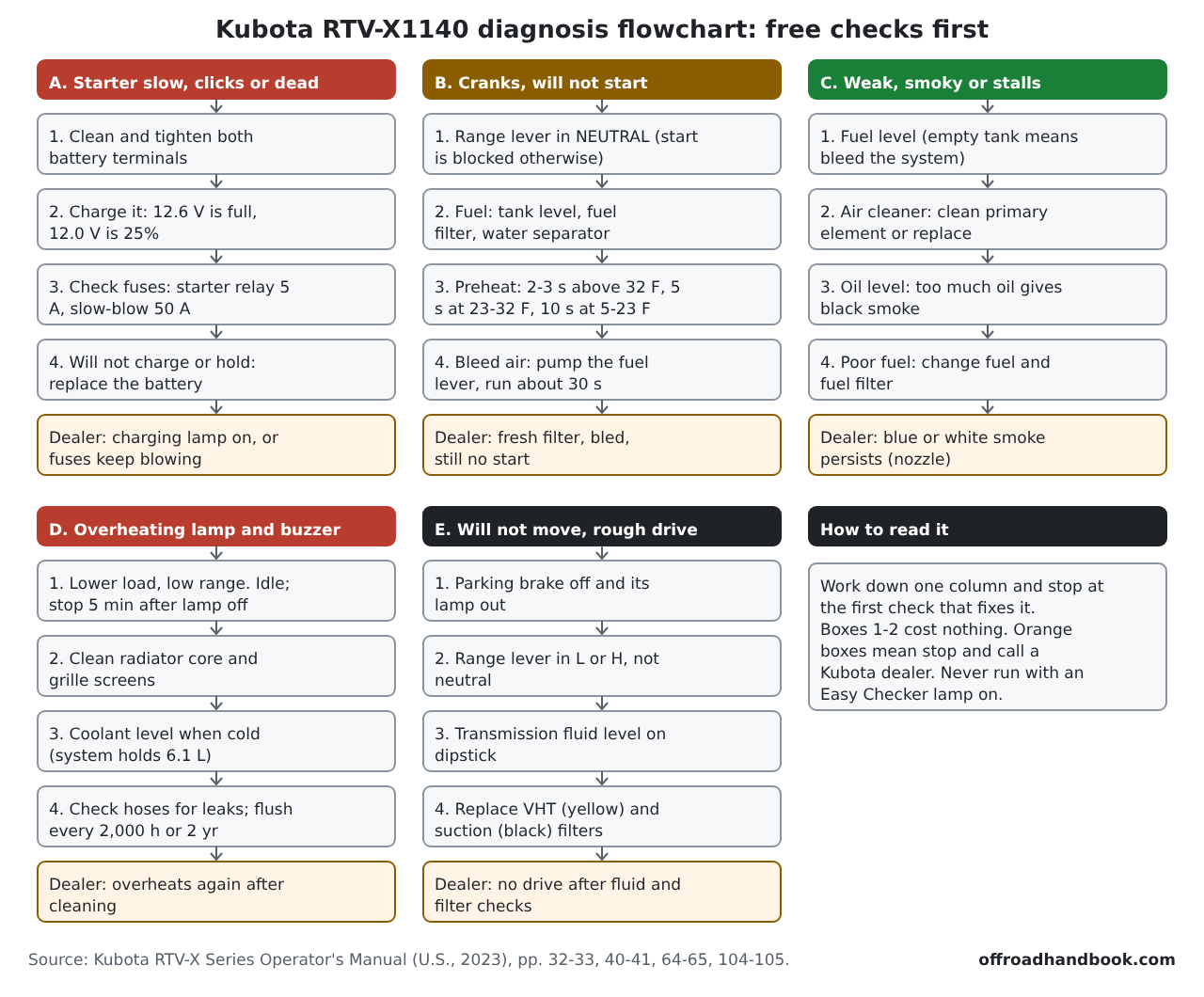
The chart groups the manual’s troubleshooting tables into five symptom columns. The first two boxes in each column are free, and the orange box says when to stop and call a dealer.
The Easy Checker lamps on the dash are part of the diagnosis. Kubota says that if a warning lamp comes on while driving you should stop the engine and find the cause, and never run the machine with a lamp lit. The overheat lamp also sounds a buzzer.
Kubota RTV-X1140 symptom checker
Based on the troubleshooting tables and service sections of the Kubota RTV-X Series Operator’s Manual (U.S., 2023), pp. 32-33, 40-41 and 104-105. It lists Kubota’s causes in order and is not a substitute for a dealer inspection.
Safety first. Stop the engine and remove the key before checking filters, fuel lines or belts, let the engine and exhaust cool, and never pull the radiator cap while the coolant is hot. If you are not comfortable with a job, Kubota says to have your dealer do it.
Kubota’s service chart marks several jobs as dealer-only, including the brake pedal check, VHT neutral spring and pressure release checks, valve clearance, injection nozzle pressure and brake fluid change. Fuel filter replacement is flagged the same way in that chart. That matters for budgeting, because Kubota does not publish repair or labor prices, and owner-quoted figures online are not verifiable, so this guide gives none.
Why a Kubota RTV-X1140 is hard to start or will not start
Start with the range lever. Because of safety devices, the engine will not start unless the range gear shift lever is in NEUTRAL, so confirm that before anything else. Then work through these in order:
- Fuel. Check the tank and the fuel filter, and replace the filter if it is clogged with debris or contaminated with water. Kubota calls for No. 2-D diesel, or No. 1-D below 14 °F.
- Fuel line connections. Check that the fuel line coupler bolt and nut are tight, because air or water in the system is a listed cause of hard starting.
- Preheat. Turn the key to PREHEAT for 2 to 3 seconds above 32 °F, 5 seconds at 23 to 32 °F, and 10 seconds at 5 to 23 °F. Never hold it longer than 30 seconds.
- Bleed the fuel system. Fill the tank, pump the fuel pump lever, start the engine and run it about 30 seconds, then stop it.
- Battery. If it cranks slowly, clean the cable ends and terminals and charge the battery.
Bleeding is needed when the tank has run completely empty, after the fuel filter or lines have been removed, and after the vehicle has sat unused for a long period. Do not crank for more than 10 seconds at a time. If it has not started after 10 seconds, turn the key off for 30 seconds and try again.
In cold weather, Kubota says to remove the battery, charge it and store it indoors until the vehicle is used. Pick oil viscosity by temperature: the manual lists SAE 10W-30 or 15W-40 above 32 °F and SAE 10W-30 or SAE 10W below 32 °F.
Biodiesel above B20 is not approved, and BDF can clog filters in cold weather, so drain the water separator and fuel filter port often if you run it.
Starter dead or clicking
A dead starter is almost always a battery or terminal problem. The factory battery is a non-refillable 24R-670 type, 12 V, 670 cold cranking amps, and Kubota tells you to replace it with one of equal specification. Read resting voltage with a voltmeter, never by touching a metal object across the posts.
| Resting battery voltage | State of charge |
|---|---|
| 12.6 V | 100% (full) |
| 12.4 V | 75% |
| 12.2 V | 50% |
| 12.0 V | 25% |
| 11.8 V | 0% |
Clean terminals with a wire brush, tighten them, then slow-charge the battery with the charger positive to positive and negative to negative. Kubota says a boost charge is for emergencies only. Stored batteries self-discharge, so recharge every 3 months in hot seasons and every 6 months in cold ones.
If a battery that tests good still will not crank, check the fuses. The manual lists a 5 A starter relay fuse and a 50 A slow-blow ignition and starter fuse, and says to find out why one blew before replacing it.
Check alternator belt tension too: pressing the middle of the span should move it 7 to 9 mm (0.28 to 0.34 in.), and a charging lamp that comes on while driving is dealer territory.
Low power, stalling and smoke on the X1140
Low power points to dirty or insufficient fuel and a clogged air cleaner, in that order of effort. Check the fuel level, then the air cleaner. A machine that stops suddenly has most likely run out of fuel and needs the fuel system bled before it will restart.
The air cleaner uses a dry element, so never oil it. Clean the primary element every 100 hours, or more often in dust, by blowing compressed air from the inside at under 30 psi (205 kPa). If carbon or oil is on the element, replace it, and replace it once a year or at 1,000 hours regardless.
Open the evacuator valve weekly, or daily in dusty work, to dump large dust particles. Refit the cover with the arrow upright or the valve will not work, and never run the engine with the element removed.
Black, blue and white smoke
Black smoke means poor fuel, too much engine oil or a clogged air cleaner. Change the fuel and fuel filter, check the oil level on the dipstick, and clean or replace the element. Engine oil capacity is 4.1 L (4.3 U.S. qt) with a filter change and 3.8 L (4.0 qt) without.
Blue smoke can mean fuel has collected inside the muffler. Kubota’s fix is to heat the muffler by applying load to the engine. White smoke, or blue that stays after that, points to the injection nozzle or poor fuel, so change the fuel and filter and have the nozzle checked.
Spark arrester and muffler
The muffler has a swirl-type spark arrester qualified under USDA Forest Service Standard 5100-1c. Kubota says to clean and inspect it every 100 hours: with the engine cool, remove the drain plug, run the engine with the range lever in neutral and the parking brake on, raise and lower the revs while tapping the muffler with a rubber mallet, then refit the plug.
Wear goggles and a mask, because the particulate in the muffler is harmful. Let everything cool first.
Slow on hills
Check the air cleaner and fuel first, then the transmission fluid level. For steep slopes and mud, Kubota says to use low range and 4WD, with the differential lock engaged if needed. In Low range top speed is 15 mph, in High 25 mph and in reverse 17 mph, so a machine that seems stuck near 10 mph is worth checking against those numbers and the range lever position.
Why a Kubota RTV-X1140 overheats
Kubota lists four causes: engine overload, low coolant, a dirty radiator core or grille screens, and corroded coolant passages. The fixes follow the same order.
Shift to a lower gear or reduce the load, refill the cooling system and check the hoses for leaks, remove all trash from the screens and core, and flush the system. Kubota’s daily check list also includes cleaning the grill and radiator screen when you work in dust, and cleaning the hydraulic oil cooler net.
When the temperature warning lamp and buzzer come on, do not shut the engine off right away. Once it is safe, take the load off and let the engine idle. After the lamps go off, wait 5 minutes, then stop it.
Cooling system capacity is 6.1 L (6.4 U.S. qt) including the reserve tank, and Kubota calls for a 50/50 mix of long-life coolant and clean water. Do not mix different long-life coolants. Flush and change the coolant every 2,000 hours or 2 years, check hoses yearly, and have a dealer check them every 2 years.
The radiator fan runs on a 30 A fuse with a 5 A relay fuse, both listed in the fuse table, so a fan that never spins is worth a fuse check. Never open the radiator cap hot: loosen it slightly to the stop first to relieve pressure.
Hydrostatic transmission: rough, slow or no drive
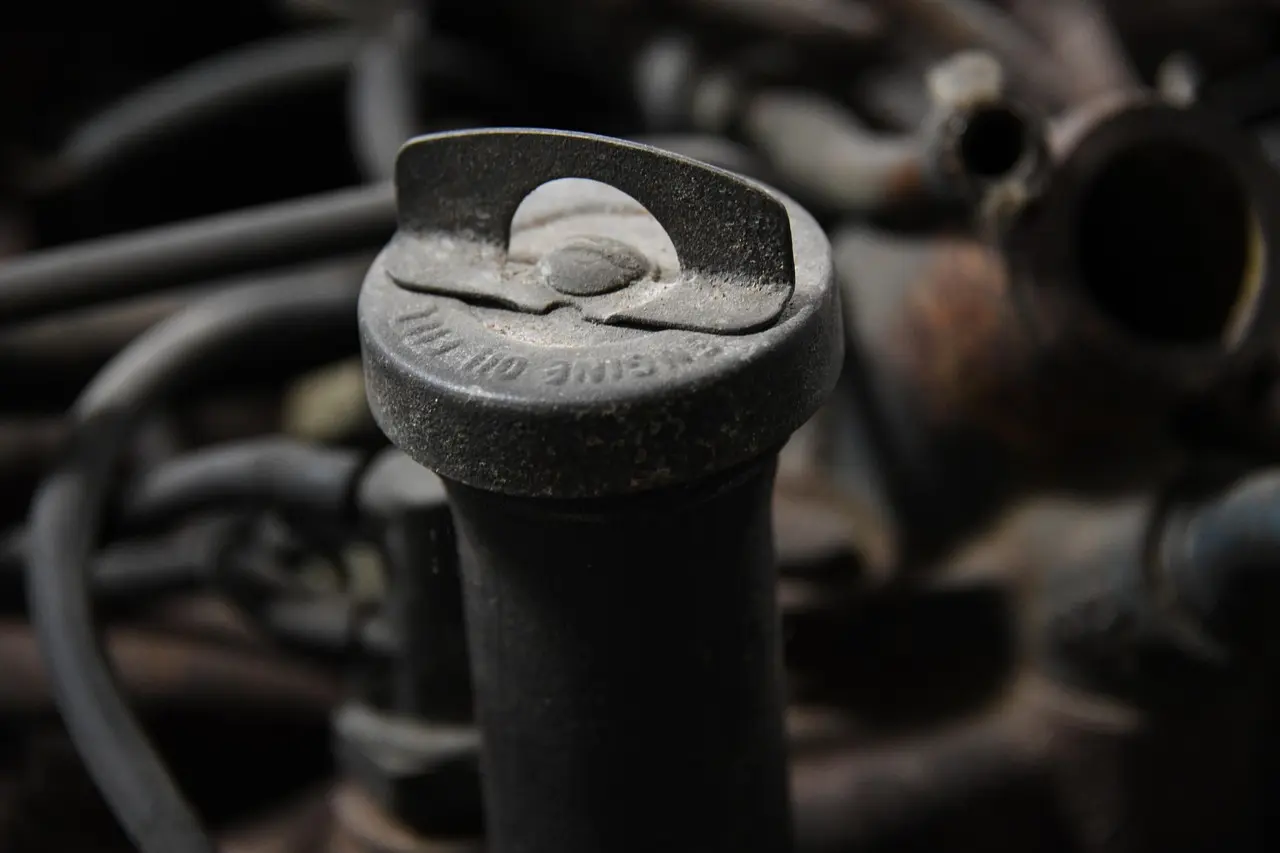
Rough operation is listed as low hydrostatic transmission fluid or a clogged filter. If the machine will not move with the engine running, the manual lists the parking brake being on and low fluid. Release the brake, then check the transmission case dipstick.
Use Kubota SUPER UDT2 fluid. Transmission case capacity is 7.0 L (1.8 U.S. gal), the front axle case holds 0.6 L (0.6 qt), the front knuckle case about 0.25 L, and the hydraulic tank 18.0 L (19.0 qt). The transmission case and hydraulic tank are separate oil rooms.
There are two transmission filters: a yellow VHT filter and a black suction filter. Replace both at the first 50 hours, then every 200 hours, using only Kubota genuine filters, then fill to the upper notch and recheck after a few minutes of running. Hand-tighten each new filter until it touches, then add ½ turn with a filter wrench.
Cold hydraulics cause trouble too. Kubota says hydraulic pressure stays low for a while after start-up, so warm the engine at about half rated rpm: roughly 5 minutes above 32 °F, 5 to 10 minutes at 14 to 32 °F, and 10 to 15 minutes at -4 to 14 °F. Keep it off full load until it is warm.
Every 100 hours the manual has you check the VHT neutral spring. Park on flat ground with the parking brake set and the range lever in neutral, start the engine, press the speed pedal a few times and release it. Engine speed must return to idle immediately, and if it does not, the neutral spring needs a dealer adjustment.
4WD, differential lock and towing
Engage 4WD only with the vehicle stopped, and the 4WD indicator should light. Do not use 4WD on pavement, where tires wear fast. The differential lock is for slow speeds when a rear wheel slips: do not turn with it engaged, and do not engage it while one wheel is spinning and the other is stopped.
If you must tow a dead machine, set all shift levers to neutral, start it and select 2WD if you can, tow from the front hitch or drawbar, and never exceed 6.2 mph. Kubota warns that otherwise the powertrain may be damaged.
Brake problems on the RTV-X1140
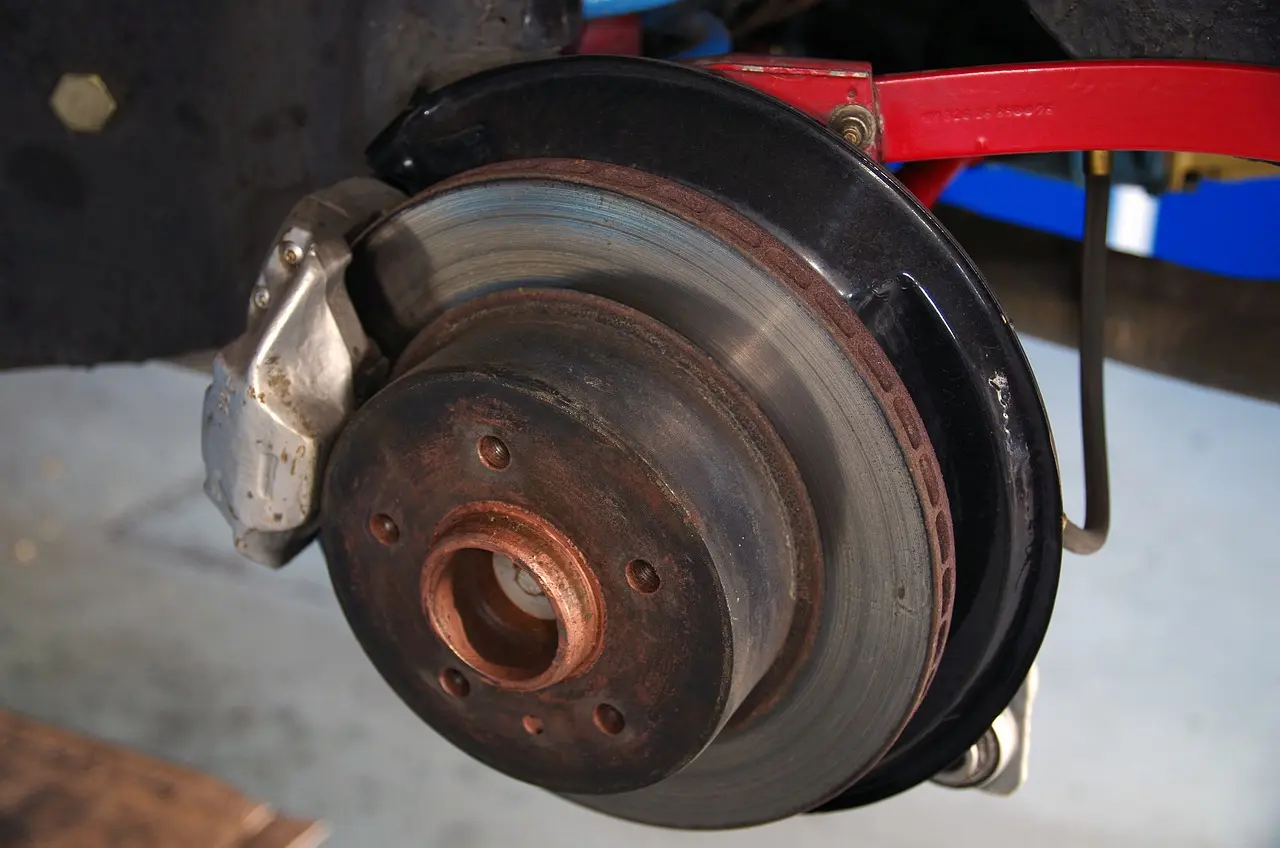
The X1140 has wet-disc brakes front and rear and a rear-wheel parking brake. Start with the brake fluid level; low fluid also lights a warning lamp on the Easy Checker. Kubota lists air in the brake system and worn pads as dealer repairs, and brake noise as a dealer item.
If the parking brake lamp stays lit after you release the lever, Kubota says the brake system may be damaged and you should contact a dealer. Release the lever with the brake pedal pressed, push the release button and push the lever up, then confirm the lamp goes out. Do not drive on weak brakes.
Brake fluid is Kubota genuine DOT 3 or DOT 4 fluid, 0.4 L (0.4 qt) for the reservoir and lines, and it is on a 2-year change. The brake hose and pipe check, master cylinder seals and rear brake cylinder seals are dealer service too.
Steering, front end and the ball joint recall
Steering is hydrostatic power steering that only works while the engine runs. Do not hold the wheel at full lock, because the relief valve opens. Kubota gives toe-in as 5 to 15 mm (0.2 to 0.59 in.), with the front distance shorter than the rear, and a tie-rod lock nut torque of 74 to 84 N·m (55 to 61 lbf·ft).
Loose steering or wheel wobble is a safety issue on this machine. Wheel nuts take 130 to 150 N·m (95.9 to 110 lbf·ft); Kubota says to recheck after 200 m (220 yards), tighten again after 10 hours, then check every 100 hours. Tire pressure is 20 psi (140 kPa) front and rear.
The front suspension arms matter because of the 2025 recall below. Kubota has dealers check the suspension arm bushings every 200 hours or 3,000 km. Stop driving a machine with a clunk or play at a front wheel until a dealer has looked at it.
Kubota RTV-X1140 recalls
| Recall | Models and X1140 serials | Hazard | Remedy |
|---|---|---|---|
| CPSC 25-249, May 1, 2025 | RTV-X1140 serial numbers 55080-80440 (sold January 2021 to December 2024; about 49,640 RTV-series units in total) | Ball joint on the front suspension arm can loosen and separate, so the driver loses wheel support | Stop using it; free inspection and repair at a Kubota dealer; call 888-458-2682 |
| CPSC 18-704, November 30, 2017 | RTV-X1140 serial numbers 10001-19546 (built 6/2015 to 6/2017) | Seat belt stays can break | Free repair at a Kubota dealer |
The model number is on the side of the machine. The serial plate is generally on the left side behind the driver, facing backward where the bed meets the cab. Kubota is contacting registered owners directly, but you can call the dealer yourself with your serial number.
The 2025 notice reports four loosened or separated ball joints and no injuries. Do not ignore the recall because the machine seems fine: Kubota’s instruction is to stop using an affected vehicle until the dealer repair is done.
Maintenance intervals that prevent most X1140 problems
Most of the failures in this guide trace to missed service. The intervals below come straight from Kubota’s service chart, and the first 50 hours is a break-in service rather than part of the regular cycle.
Read the hourmeter with the key ON and the engine stopped; with the engine running the same display shows the odometer. Fuel filter and air cleaner work also depends on conditions, so clean the air cleaner more often in dust.
| Item | Interval | Who |
|---|---|---|
| Engine oil and filter | First at 50 h, then every 200 h | Owner |
| VHT (yellow) and suction (black) transmission filters | First at 50 h, then every 200 h | Owner |
| Hydraulic tank oil | Every 200 h | Owner |
| Air cleaner primary element | Clean every 100 h; replace every 1,000 h or 1 year | Owner |
| Spark arrester (muffler) clean-out | Every 100 h | Owner |
| Battery condition, alternator belt, toe-in, wheel torque | Every 100 h (battery annually if used under 100 h a year) | Owner |
| VHT neutral spring and pressure release check | Every 100 h | Dealer |
| Fuel filter element | Check every 100 h; replace every 400 h | Dealer (per chart) |
| Transmission fluid, front axle and front knuckle case oil | Every 400 h | Owner |
| Engine valve clearance | Every 800 h | Dealer |
| Injection nozzle pressure | Every 1,500 h | Dealer |
| Coolant change and cooling system flush | Every 2,000 h or 2 years | Owner |
| Brake fluid | Every 2 years | Dealer |
| Fuel line and intake air line | Check every year; replace every 4 years | Dealer |
Daily checks matter too. Kubota’s list covers a walk-around for leaks and loose bolts, engine oil, transmission fluid, brake fluid, hydraulic tank oil, coolant, tire pressure and the parking brake. Every 50 hours the manual calls for greasing the A-arms, parking brake link, VHT link and cargo lift pivots.
Keep records of hours and dates. Several items run on whichever comes first, the hours or the calendar: air cleaner element (1,000 h or 1 year), coolant (2,000 h or 2 years) and suspension bushings (200 h or 3,000 km).
Fluid capacities and torque specs
| Item | Spec |
|---|---|
| Fuel tank | 30 L (7.9 U.S. gal), No. 2-D diesel (No. 1-D below 14 °F) |
| Coolant (with reserve tank) | 6.1 L (6.4 U.S. qt), 50/50 long-life coolant |
| Engine oil | 4.1 L (4.3 qt) with filter, 3.8 L (4.0 qt) without |
| Transmission case | 7.0 L (1.8 U.S. gal), Kubota SUPER UDT2 |
| Front axle case / front knuckle case | 0.6 L (0.6 qt) / about 0.25 L (0.26 qt), Kubota SUPER UDT2 |
| Hydraulic tank | 18.0 L (19.0 U.S. qt), Kubota SUPER UDT2 |
| Brake fluid | 0.4 L (0.4 qt), Kubota DOT 3 or DOT 4 |
| Wheel nuts and bolts | 130-150 N·m (95.9-110 lbf·ft) |
| Tie-rod lock nut | 74-84 N·m (55-61 lbf·ft) |
| Parking brake cable lock nut | 19.6-28.4 N·m (14.5-20.9 lbf·ft) |
| Tire pressure (25 x 10-12) | 140 kPa (20 psi) |
For general diesel fuel questions see our guide to on-road versus off-road diesel, and for non-Kubota machines try the ATV and UTV troubleshooting guide. Our free off-road calculators cover tire, gearing and winch sizing for other rigs.
When to see a Kubota dealer
- Brakes that feel soft, noisy, or have air in them, or a parking brake lamp that stays on.
- Repeated overheating after cleaning the screens and topping off coolant.
- Loss of drive after the fluid and filter checks, or engine speed that does not drop to idle after the neutral spring test.
- Blue or white smoke that persists, or any injection nozzle or fuel pump problem.
- A charging lamp that comes on, or fuses that keep blowing.
- Any front-wheel play, clunk or looseness, and any recall number match for your serial.
Kubota RTV-X1140 FAQ
Does the Kubota RTV-X1140 have a carburetor?
No. It is a diesel with fuel injection, so carburetor advice and starting fluid tricks do not apply. Fuel problems mean the tank, filter, water separator, air in the lines or the injection nozzles.
What fluid does the RTV-X1140 transmission use?
Kubota SUPER UDT2 fluid in the transmission case, axle case, knuckle case and hydraulic tank. The product name can differ by country, so confirm with your dealer. Do not mix in other fluids.
How fast does the RTV-X1140 go?
Per the manual, 15 mph in Low range, 25 mph in High and 17 mph in reverse. Towing a disabled machine is limited to 6.2 mph.
Why does my RTV-X1140 beep?
The coolant overheat lamp comes with a buzzer, so treat a continuous beep as overheating and follow the idle-down procedure above. A backup beeper is an available option and sounds in reverse.
Related guides
- Honda Big Red UTV Problems: Causes and Fixes by Symptom
- Kawasaki KRX 1000 Problems: Overheating, CVT and Fixes
- Massimo UTV Problems: Symptoms, Causes and Fixes
- What Is a Side-by-Side (SxS)? How It Differs From an ATV or Quad

I'm Suryashankar Dasgupta, the founder of Off-Road Handbook. I've been off-roading for years in the USA, including California and Texas, and have ridden mountain and desert terrain abroad. I've also driven a Jeep Compass for more than seven years, so I know the day-to-day side of Jeep ownership first-hand, from the Uconnect screen to the warning lights. Every guide here is researched from manufacturer owner's manuals, NHTSA recall and service-bulletin records and other trusted sources, checked against them before it is published, and corrected when we find a mistake. You can read how we work in our editorial policy: https://offroadhandbook.com/editorial-policy/
Like our off-road guides? Add Off-Road Handbook as a Google Preferred Source so our latest Jeep, ATV, UTV, trail, recovery, and off-road troubleshooting articles can appear more often in your Google Search experience.
Add us as a Preferred Source