Can You Lower a Jeep Wrangler? Safe Options, Pros and Trade-Offs
Last updated on October 18th, 2026 at 06:51 am
This post contains Amazon affiliate links. As an Amazon Associate I earn from qualifying purchases, at no extra cost to you.
Yes, a Jeep Wrangler can be lowered, but only by a couple of inches and with trade-offs. The three safe routes are putting a lifted Wrangler back on stock springs and shocks, fitting a maker’s lowering kit (Skyjacker lists a 2 to 2.5 inch kit for the JL, not for Rubicons), or running smaller tires. Never cut or heat the coil springs.
Jeep’s manual says modifications or alterations to the vehicle “could seriously affect its roadworthiness and safety,” and that changes to suspension, tire size or wheel size can hurt stability control. Plan the job as a package: springs, shocks, alignment and a speedometer check.
Pick your path
Tire swap: how much lower, and what the speedometer will read
The options come from Jeep’s owner’s manual and Skyjacker’s product page. The tire math is plain geometry: the axle height changes by half the diameter change, and the speedometer is calibrated to the original size.
For a full tire-diameter and speedometer-error calculator, use the tire size calculator. To see what lowering does to clearance on rocks, try the approach angle calculator.
Ways to lower a Wrangler, compared
| Method | Drop | Effort and cost | What to watch |
|---|---|---|---|
| Remove an aftermarket lift | Back to stock height | Depends on the kit; return every part it replaced | Alignment, brake line and track bar; follow the kit maker’s instructions |
| Lowering spring and shock kit | Skyjacker JL kit: 2 to 2.5 in | About 5 hours, moderate, no cutting or welding; listed at $572.29 on Skyjacker’s site | Not for Rubicon; alignment; ground clearance falls by the same amount |
| Smaller tires | Half the diameter change | Cost of tires | Speedometer, load index, gearing |
| Cutting or heating springs | Uncontrolled | Cheap | Unsafe: do not do it |
1. Remove an aftermarket lift
If your Wrangler wears a lift kit, going back to the stock setup is the easiest and most predictable way down. Many kits also change the track bar, control arms, sway bar links and bump stops, so return those too, or fit parts made for stock height.
Put the Jeep on rated jack stands on solid ground, never on a jack alone. A pair of 3-ton jack stands and a floor jack are the minimum; check the current price on Amazon.
2. Lowering springs or a lowering kit
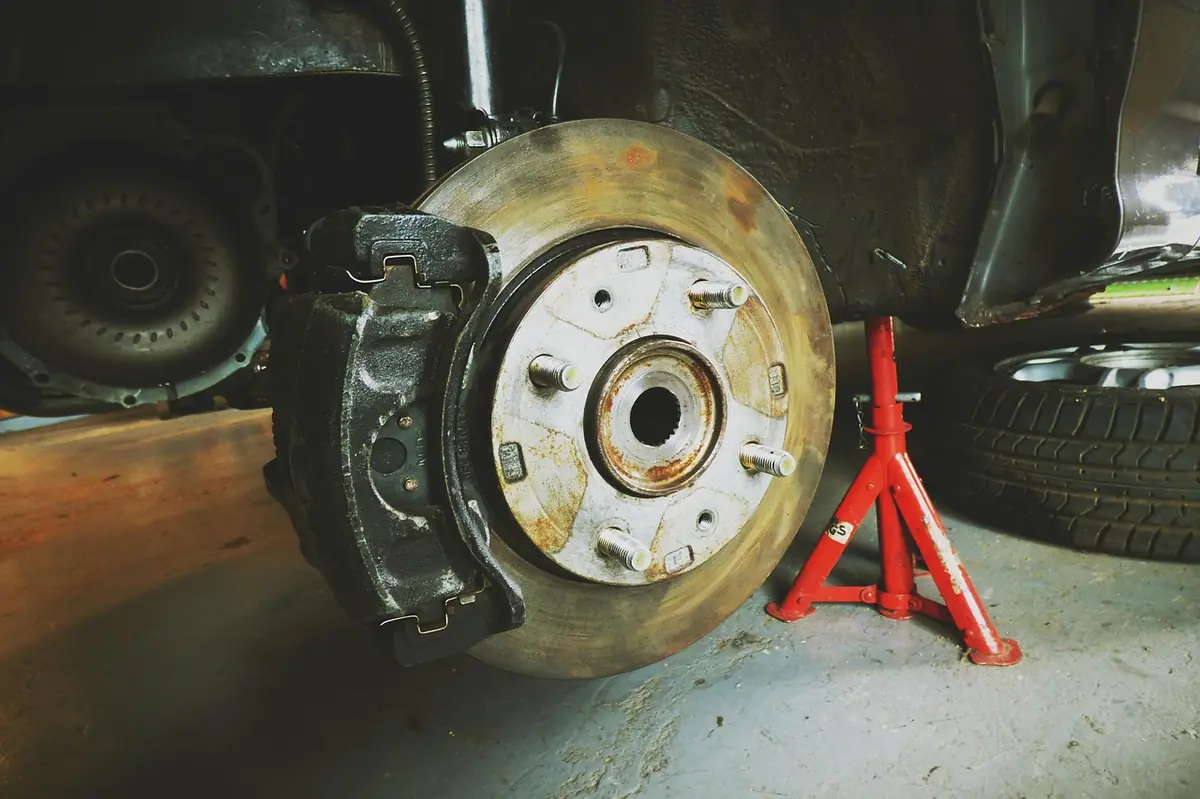
Skyjacker’s LOWJL025K lowers a JL 2 to 2.5 inches and is not designed for Rubicon models. The company rates the install as moderate, about 5 hours, with no cutting or welding.
A drop shortens the coil springs, so match the shocks to the new height and check that they do not bottom before the bump stops. Look at the track bar position afterward so the axles stay centered. For shocks, see the best shocks for Wrangler JL.
3. Smaller tires
A smaller tire lowers the axle by half the diameter change. Going from a 35 inch tire to a 33 inch tire drops the axle about 1 inch and, on a speedometer set for 35s, makes it read about 6 percent high.
Jeep says replacing original tires with a different size may cause false speedometer and odometer readings. Never use a tire with a smaller load index than the original, and use only sizes with load ratings approved for your vehicle. The tire load index chart explains the numbers.
What not to do
Do not cut or heat the coil springs. A cut spring can unseat from its perch and its rate changes unpredictably. Some guides online still recommend a torch or grinder; Jeep’s own warning that suspension changes can reduce stability control performance is reason enough to skip it.
Safety and trade-offs
Jeep’s rollover warning says utility vehicles have a significantly higher rollover rate than other types of vehicles, and that the Wrangler has higher ground clearance and a higher center of gravity than many vehicles. A drop helps the center of gravity, but any suspension change can affect stability control and handling.
| Gains | Costs |
|---|---|
| Lower center of gravity | Less ground clearance, by the amount of the drop |
| Easier entry and loading | Less room for large tires, and tire clearance must be rechecked |
| Less roll on pavement | Suspension geometry can change; alignment and axle centering need checking |
After lowering: what to check
- Get a wheel alignment.
- Check that the track bars keep each axle centered.
- Make sure the shocks do not bottom out before the bump stops.
- Check tire clearance at full steering lock and full compression.
- Recalibrate the speedometer if you changed tire size.
- Re-torque suspension and wheel fasteners to the kit maker’s and Jeep’s specs after a short drive.
For issues that show up after suspension work, see our Jeep problems after a lift kit guide and the ground clearance guide.
Will lowering affect my warranty?
The FTC says a company cannot void a warranty or deny coverage solely because the consumer uses a part made by someone else. A company can still deny coverage for damage caused by that part, per the FTC guidance. Keep receipts and the original parts, and ask your dealer before you buy.
Lowering a Wrangler: questions
Yes, a little. The safe options are returning a lifted Wrangler to stock, fitting a maker’s lowering kit such as Skyjacker’s 2 to 2.5 inch JL kit, or running smaller tires.
Skyjacker says its JL lowering kits are not designed for Rubicon models, so tire size is the simpler route.
No. Cut springs can unseat and their rate changes unpredictably. Use a lowering kit made for your model.
Yes. Changing ride height changes suspension geometry, and Jeep warns that suspension and tire changes can affect stability control.
Not by itself, according to the FTC, but a company can refuse coverage for damage the aftermarket part caused.

I'm Suryashankar Dasgupta, the founder of Off-Road Handbook. I've been off-roading for years in the USA, including California and Texas, and have ridden mountain and desert terrain abroad. I've also driven a Jeep Compass for more than seven years, so I know the day-to-day side of Jeep ownership first-hand, from the Uconnect screen to the warning lights. Every guide here is researched from manufacturer owner's manuals, NHTSA recall and service-bulletin records and other trusted sources, checked against them before it is published, and corrected when we find a mistake. You can read how we work in our editorial policy: https://offroadhandbook.com/editorial-policy/
Like our off-road guides? Add Off-Road Handbook as a Google Preferred Source so our latest Jeep, ATV, UTV, trail, recovery, and off-road troubleshooting articles can appear more often in your Google Search experience.
Add us as a Preferred Source