Gears in off-roading are used for different reasons, and all these reasons are highlighted below to depict the importance of gearing. Gears are generally used to change the direction of continuous motion. You can also increase as well as decrease the speed of rotation. The main use of gears is to maintain the rotation of two axes synchronized. If you are an off-road enthusiast, you need to have a fair idea about the adjustment of gears during an off-road journey. What gear should I be in for off-roading?
You can change the gears of your vehicle according to the given situation and speed of the vehicle.
- You can adjust the 1st gear of your vehicle while driving through the downhill and at the speed of 0-5mph.
- You can adjust the 3rd gear of your vehicle while passing through the uphill and at the speed of 30mph.
- You can adjust the lower gears of your vehicle while passing through the slippery areas and steep ascents.
If you are planning to go off-road, it is better to keep in mind that you should have to adjust the gears of your off-road vehicle in low range instantly when you drive your vehicle off-road. You cannot stick to a single gear while driving through many different situations during off-roading.
What Gear Should I be In for Off-Roading?
An off-road vehicle driver should use ranges of gear while driving through these types of situations. You can rely on the low range; you have to go high range when required.
You need to know the situations, and you should be careful in adjusting the gear ranges while driving through different terrains.
You are not allowed to use higher gears in those situations where lower gear is required, and similarly, you cannot use a low gear range while passing through those areas where a high gear range is required.
It will help if you have an idea about the good thumb rule that prospers the different aspects of high and low gearing while off-roading. The less amount of torque and spin is imparted while adjusting the high gear range; on the other hand, torque in large quantity is imparted while adjusting the lower gear range while driving your off-road vehicle.
Both situations are critical, and they help your off-road vehicle to tackle different situations.
What Is The Purpose of The Gear Ratio and How to Calculate It?
The main purpose of the gear ratio is to decrease the amount of torque to impart more speed to your vehicle. At the beginning of your ride, your vehicle required more torque than power, so that is why your vehicle does not move at higher gear ratios.
When you require more speed than torque, you can achieve this by adjusting the higher gear ratio while the lower gear ratio is not handy for this task.
If you want to calculate the gear ratio of your vehicle, you can get the results by dividing the rotational speed of the output shaft by the angular speed of the input shaft.
Gear Range While Driving Through Downhill:
| Gear of your vehicle | Speed of your vehicle |
|---|---|
| 1st Gear | From 0 to 5mph |
| 2nd Gear | From 5 to 15mph |
| 3rd Gear | From 15 to 30mph |
| 4th Gear | From 30 to 40mph |
| 5th Gear | From 40mph to upward |
When you are driving through the downhill region, you should have a proper idea about the adjustment of gears to tackle this situation.
You need to adjust your vehicle to first gear because there is a dire need for abrupt braking while driving your vehicle downhill. You should have an idea about the engine brake that is different from the pedal brake.
- While applying the engine brake, you do not need to apply the pedal brake. When the pedal brake is not applying, your vehicle will continue moving through different situations.
- Steering is the most essential factor while driving your vehicle downhill and when your vehicle is moving, you can steer in this situation that is crucial while driving your vehicle downhill.
There are certainly other factors that need to be on the point while driving your vehicle through these risky situations. The wheels of your vehicle need to be aligned while passing through these situations.
Get Details on How Many People Have Died from Off-Roading? Risk and Analysis
Gear Range While Driving Through Uphill:
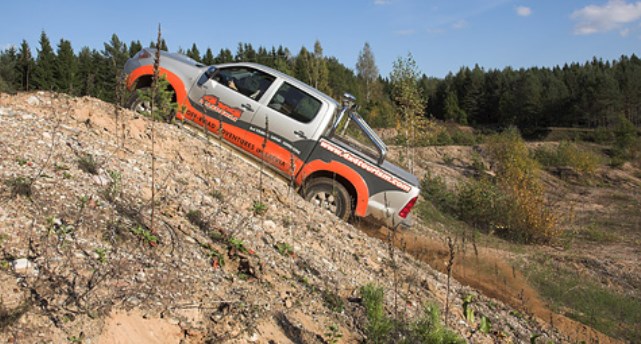
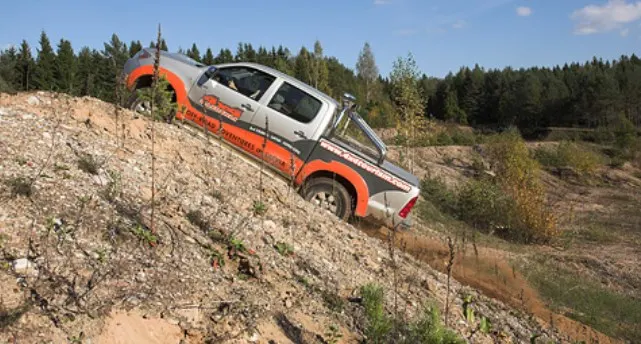
When you drive your off-road vehicle uphill, you need to know the proper driving skills and gear changing mechanism. It is advised to acquire proper driving skills while taking these types of off-road challenges.
It will help if you have an idea about the importance of momentum while driving your vehicle uphill. You need to maintain your vehicle’s momentum while passing through these situations, and you should have an idea about the adjustment of gears to drill constant momentum.
Your vehicle should be in third gear because the third gear of your vehicle will impart more momentum and less torque. While driving your off-road vehicle uphill, you should limit the spin of wheels and torque, and it could be done by adjusting your vehicle in third gear.
You should know when and where you have to change the gear. You will learn these dynamics by driving your vehicle more often through these situations as there is no alternative of experience. You should not change the gears after adjusting them while driving your vehicle through the uphill areas.
Concept of Low Gear in an Off-Road Vehicle:
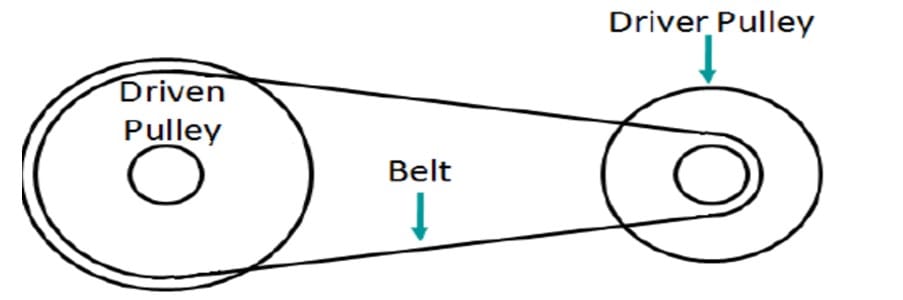
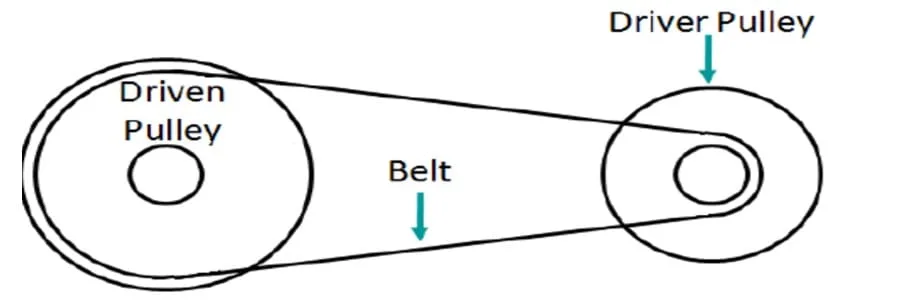
Low gear in a vehicle refers to the situation where the vehicle is at low speed, and the vehicle’s speed is lower than the speed of the engine. When you drive your vehicle in low gear, the engine’s speed will be lower, and the pedal brakes will function less.
There are two types of transmission, and the concept of low gearing in these two different types of transmission is delineated as follows.
- While driving your vehicle in manual transmission, you should have to step down to lower gear while driving through downhill.
- On the other hand, for automatic transmission, your vehicle will automatically turn down to lower gear while passing through downhill. Still, it is better to prepare your vehicle even if it is automatic.
Reason to Use Low Gear While Passing Through Downhill:
The main reason for the use of low gear while passing through downhill is to avoid brake failure. You should understand the situation where you can face this situation.
You can prevent this from happening if you have a fair idea about the functioning of the braking system of your off-road vehicle.
When you drive your off-road vehicle in higher gears for a long time while passing downhill, your vehicle's braking system can get overheated and culminated in breaking failure that is not a good situation during driving.
You should take careful steps to avoid this situation; otherwise, you can put yourself in big trouble.
| Situations to Use of Low Gear | Explanation |
|---|---|
| Driving through slippery areas | You should adjust the gears of your off-road vehicle to a lower range while driving through slippery roads. You do not need to apply pedal brakes while going through the lower gear range. |
| Driving through steep ascent | You can drive your vehicle in a lower gear range while passing through a steep ascent to prevent any bad happening and to get better control of your vehicle. |
When to Change the Gear of Your Off-Road Vehicle:
You need to have a good idea about changing gears in the right situation. Otherwise, it can put your vehicle in trouble. Changing gears in the right situation is not an easy task for beginners.
Expert drivers can find it easy to adjust gears according to the situation. Changing the gears is not the only single task during the off-road drive, but the off-road vehicle driver has to do multiple tasks such as adjusting the clutch system and brake system side-by-side.
It takes a lot of care to do this task efficiently. If you are on the off-road drive, you should acquire the skill of placing the gear lever at the right place without looking at this, but you should have to know the time of doing this task.
You cannot place gear lever at the wrong time in the wrong place; it will lead to a lot of trouble.
Tips for Changing the Gear during Off-Roading:
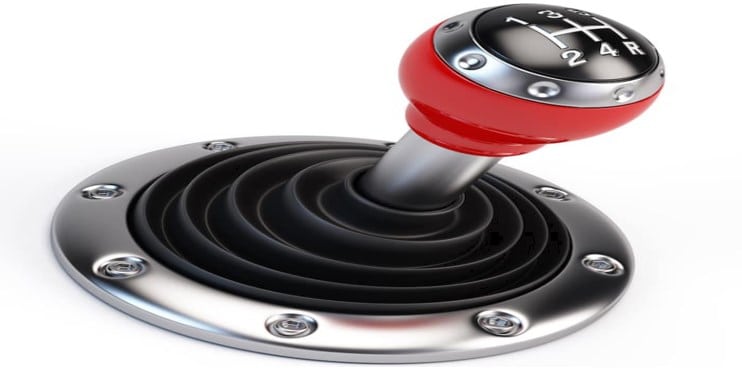
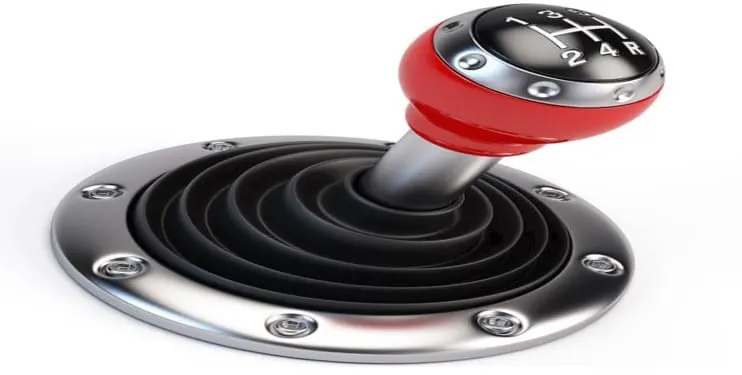
When the new driver is in the learning process, they should require aids or preference points that will help them comprehend when and where to change the gears.
The driving of off-road vehicles becomes easier when to learns these skills, and there is the only way to learn them by practicing them repeatedly.
After acquiring how to change gear, the next step is to learn about when to change gear. You should know both of these points, such as when to change the gear and where to change the gear.
Changing Gear from First:
- First gear is suitable for those situations where you have to drive off-road slowly. When you are driving your vehicle downhill, you should continue driving your vehicle in first gear.
- The first gear will prevent the use of brakes, and you have more time to react because it limits the speed of your vehicle as well.
- Off-roading is not similar to normal driving; when your vehicle passes through those areas where it is crucial to limit the speed of your vehicle, you should run your vehicle in first gear.
- You can have a smooth trip if you change gears at a time. You cannot ignore this gearing issue if you want to be a successful campaigner.
Changing Gear from Second:
- When you have to speed up your vehicle, you can change the gear from second to third, and for this purpose, you have to keep your eye on the speedometer. This device will give you the idea of changing gears at the right time when required because it depicts the speed of your vehicle.
- You cannot drive your vehicle in a single gear if you want to speed up your vehicle. It would help if you had an idea about the different speed limits; after achieving these speed limits, you have to change the gear of your off-road vehicle.
- 15 to 20 mph is the speed limit; when your vehicle reaches this speed limit, you will have to change your vehicle’s gears. You cannot use the second gear to drive at high speed as it is adjusted for low-speed limits and often when you have to take a right or left turn.
Changing Gear from Third:
- The third gear of your vehicle is the indication of higher speed. You will change the third gear when you want to increase the speed of your vehicle.
- You are not allowed to do this while passing through risky areas, but you can do that when the risk is less, and you want to enjoy the thrill of high speed. It would be best if you had a speedometer in your vehicle to check the speed of your vehicle.
- If you are not aware of the speed limit, you have to change the third gear; then you should know this limit. When you drive your vehicle at 30mph, you should change the gear to the fourth one.
- Change of gears at the right time and place will improve the performance of your vehicle. The main reason to change the gear to the fourth one is to increase the fuel economy; otherwise, some vehicles can move happily within the third gear.
Changing Gear from Fourth:
- You can enjoy the fun of your driving while changing the gear to the fourth. You should change gear to the fourth one when you have to gain more speed.
- You should have the speed limit, after which you have to change the fourth gear. The speed limit after which you have to change the gear is 40mph.
- After achieving this speed limit, it is advisable to change the gear to the fifth one.
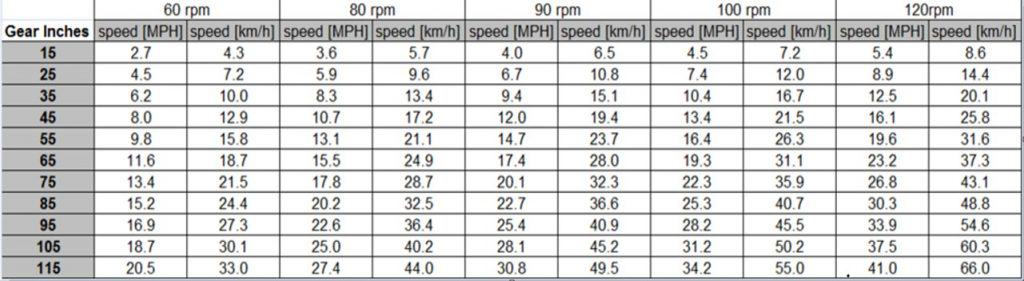
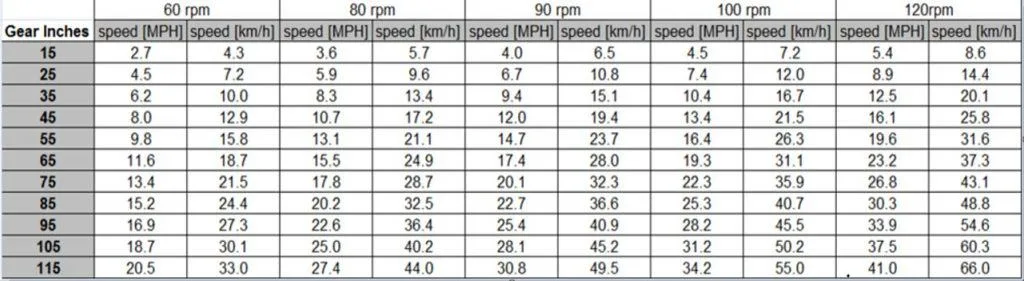
Recommended Gears for Different Speed Limits:
When does Your Vehicle Get a Stall?
Inappropriate gearing of your vehicle can cause your vehicle to get a stall. This situation is not a good one for the performance of your vehicle.
You should know that when this will happen to your vehicle. When you are slowing down your vehicle, it is necessary to change the gears; otherwise, your vehicle cannot accelerate properly, and your vehicle can get stalled.
You can avoid this situation by changing the gears at the right time and place. You should acquire proper driving techniques and concepts about gears to have a smooth journey.
Find Out More: What is The Point of Off-Roading? The Craze Behind It
Can you Change Gears from 2d,3rd,4th, and Straight into Neutral?
If you are using a modern manual transmission, you can skip gears while going up and down. You can change the gear from first to the third when you have to increase your vehicle’s speed to reach the desired destination on time.
When you approach the corner during your journey, you have to slow down your vehicle to keep safe; you can change gear from higher to lower one.
It would help if you primarily relied on a braking system to slow down your vehicle in critical situations. But new drivers often rely on gearing to slow down the vehicle that is not a good technique to adopt.
It would help if you did not change gear directly from fifth to second gear while going at a higher speed.
Conclusion:
You can adjust the gear of your off-road vehicle according to the speed of your vehicle and the destined route. The speed of your vehicle and the destined route will provide the right direction for adjusting the gear of your vehicle.
You should do this task properly to avoid any mess because it directly impacts your vehicle’s performance.
Also Read:
What Tire Pressure for Off-Roading Is Suitable-Tune the Tire
Do You Need a 4×4 for Off-Roading? Know the Pros and Cons
Frequently Asked Questions (FAQs):
Why is it bad to skip gears?
You can skip gears; it cannot prove to be deadly, but the condition is you should do this properly. You can skip gears while downshifting, and it is perfectly alright to do this.
Downshifting is not an easy task to achieve, and inexperienced drivers cannot do this task perfectly. It is very difficult for the new drivers to do this task properly.
Sometimes it can cause damage to the transmission of your vehicle if you get wrong with this system.
Why is first gear so hard?
First gear is so hard because of the unsynchronized nature of 1st gear. Another important factor that adds to the difficulty of the first gear is that the ratio difference between the first and second gear is too large.
Shifting gears can be easily achieved if the gears are synchronized properly, but it becomes very difficult when the gears are not synchronized.
You can shift from one gear to another by pressing the clutch pedal, but you should know when and where to change the gears of your vehicle.
What are the 1 2 3 gears in an automatic?
These gears have a different use, and you cannot use first gear in the situation where third gear is required.
Inappropriate gearing can bring havoc to your vehicle and cause your vehicle to get stalled. You should have an idea about the proper functioning of these gears.
The first gear of your vehicle is for driving through the downhill and those areas where slow speed of your vehicle is required.
You can shift the gear to the third one when there is a need to increase the speed of your vehicle.
Why do we use gears in a car?
Gears are the important components to determine the power of the engine. All the gears of the vehicle have different impacts.
You should understand the specialty of each gear. As far as the specialty of each gear is concerned, the first gear is specialized for the provision of pulling power to your vehicle, and at the same time, the first gear ensures the least potential for speed.
On the other hand, you should know the specialty of fifth gear. Fifth gear is specialized for imparting higher speed but least pulling power.
Every gear has its specialty, and it can be used according to the given situation. You can maintain your vehicle’s performance by adjusting the gears of your vehicle according to the given situation.


This is Surya. I am an experienced off-roader. I have been off-roading for many years across several terrains. I am passionate about 4×4 driving and want to share my knowledge and experience with others.
My goal is to provide you with the most comprehensive and unbiased information about off-roading.
I curated this article through my personal experience and expertise, and I hope it helps you with what you are looking for.
 (+91)9123743026
 24/1 Nibedita Sarani. M.B. Road, Kolkata- 700051, India
What Do Gear Ratios Mean in Off-Roading? Everything You Want – Offroadhandbook
Friday 17th of December 2021
[…] you can adjust the gearing of your vehicle by finding the sweet spot. When you shift gears of your off-road vehicle, this process imparts power to your vehicle, and it can surpass every […]